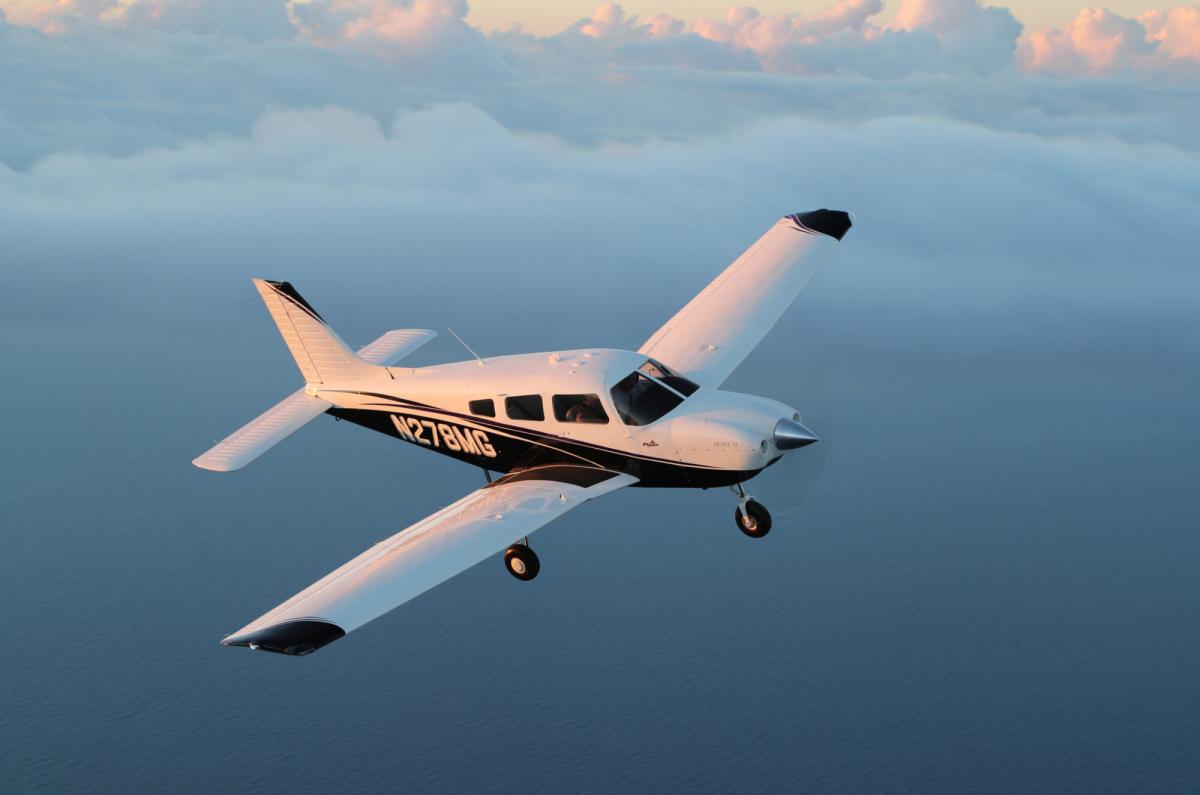
How To Become a Pilot: Your Guide To Getting Started in Aviation
Are you dreaming of becoming a pilot? The thrill of exploring the world from above is something that many people aspire to experience. But becoming a pilot isn’t just about having a dream — it’s about putting in the time, money and effort to make that dream a reality.
Whether you’re interested in becoming a professional pilot for your career or are just looking to fly for fun, you might be wondering where exactly to start. So, we’re answering the most common questions we hear from aspiring pilots and taking you through the basic steps of what it takes to start on your journey to the skies.
Understanding the Different Types of Pilot Licenses
Before you begin your training, it’s helpful to understand the different types of pilot licenses and what each one allows you to do. Your goals will determine which certificate is right for you.
In the U.S., the Federal Aviation Administration (FAA) issues several types of pilot certificates:
- Recreational Pilot: A recreational pilot license offers a more accessible path to flying with fewer training hours required. However, it comes with limitations on aircraft size, passenger count and how far you can fly from your departure airport. It’s ideal for those who want to fly for fun on a more local scale.
- Private Pilot (PPL): This is the most common starting point for aspiring aviators. A PPL allows you to fly solo or with passengers for non-commercial purposes and is a required foundation for further ratings and certifications.
- Instrument Rating: This rating allows you to fly using only your instruments, which is especially important for poor weather conditions. It’s arguably one of the most valuable ratings you can add to your pilot certificate, and it’s a fun and challenging discipline of flight training.
- Commercial Pilot (CPL): This license allows you to get paid to fly. It’s essential if you want a career in aviation and builds on the skills learned during private pilot training.
- Airline Transport Pilot (ATP): The highest level of pilot certification, the ATP license is required to serve as a captain for an airline. It requires significant experience and advanced training, often pursued after years of commercial flying.
What Requirements Are Needed To Become a Pilot?
To become a pilot, you will need to meet specific qualifications, which vary depending on the type of pilot’s license you are seeking and the country in which you are training. In general, you’ll need to:
- Meet the minimum age requirement: This varies from country to country and based on the type of aircraft you wish to operate. In the U.S., you must be at least 16 to earn a student pilot certificate, 17 for a private pilot certificate and 18 for a commercial pilot certificate. If you’re outside the U.S., be sure to research your local aviation authority’s age regulations, as these may differ by country and aircraft type.
- Meet the minimum education requirement: The specific educational requirements prospective students need to meet depend on the school you choose to train at. Some pilot training programs require applicants to have at least a high school diploma or equivalent, while others allow students to begin training while still in high school. Certain universities also offer aviation programs that allow students to earn their pilot’s license alongside a four-year degree.
- Pass a medical examination: Pilots must pass a medical examination to ensure they are physically and mentally fit to fly. In the U.S., pilots must be examined and approved by an FAA-designated Aviation Medical Examiner (AME) to obtain a Medical Certificate. This examination includes a physical exam, vision and hearing tests, and a review of your medical history. The FAA suggests getting your Medical Certificate before beginning flight training. Your certification class should be based on your career goals. Private pilots and students only need a third-class certificate. Commercial pilots need a second-class certificate, while airline transport pilots need a first-class certificate.
- Meet language proficiency requirements: Pilots must be able to speak and understand English, as it is the international language of aviation. Some countries may have additional language proficiency requirements for pilots.
In addition to the technical skills and knowledge required to become a pilot, you will also need good physical coordination and mental focus, as well as the ability to handle stress and make quick decisions. Pilots are responsible for the safety of their passengers and crew, so they must be able to perform their duties effectively and efficiently.
Overall, becoming a pilot is a challenging but rewarding process. Even though flight training requires a lot of hard work and dedication at times, students have access to a wide range of resources to help them accomplish their flight training. When your flight training is complete, the sense of accomplishment and the option to pursue a fulfilling career make it well worth the effort.
Share This
Latest Blog
How To Pick a Certified Flight...
November 16, 2025
What Training and Certificatio...
November 16, 2025
Passing the Checkride With Con...
November 16, 2025